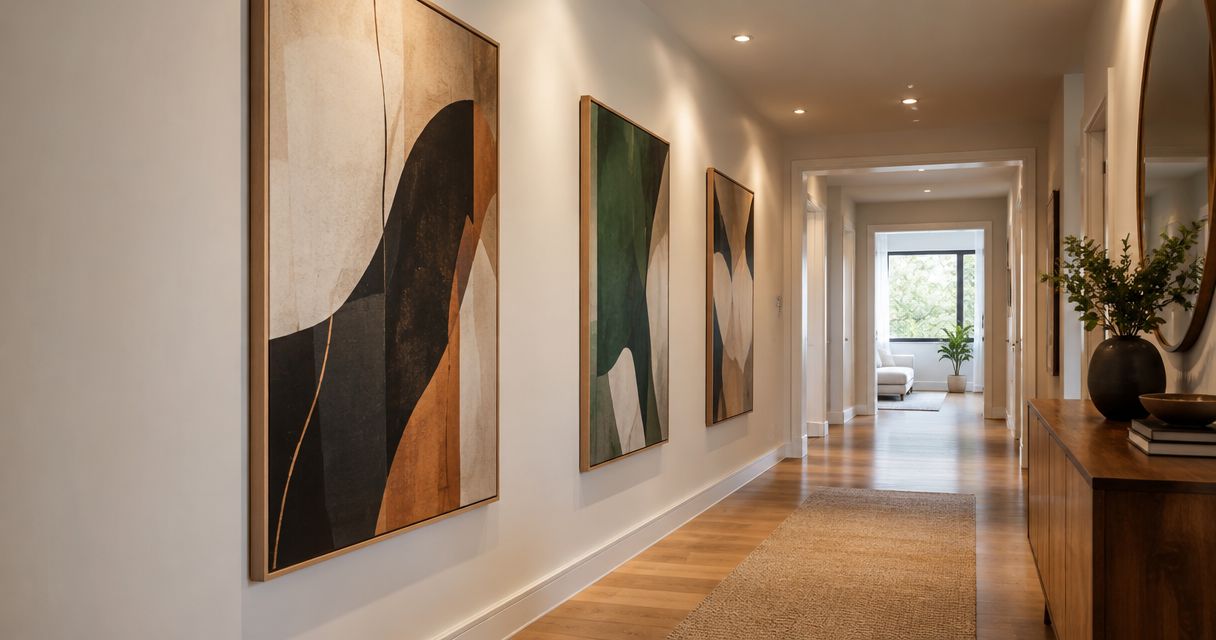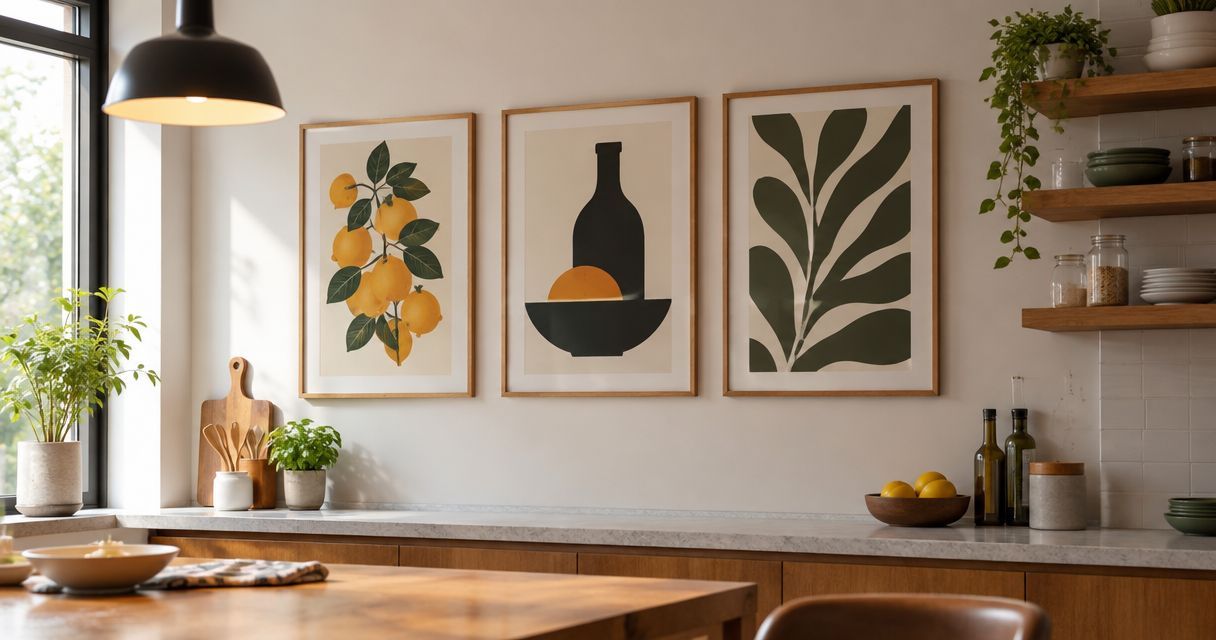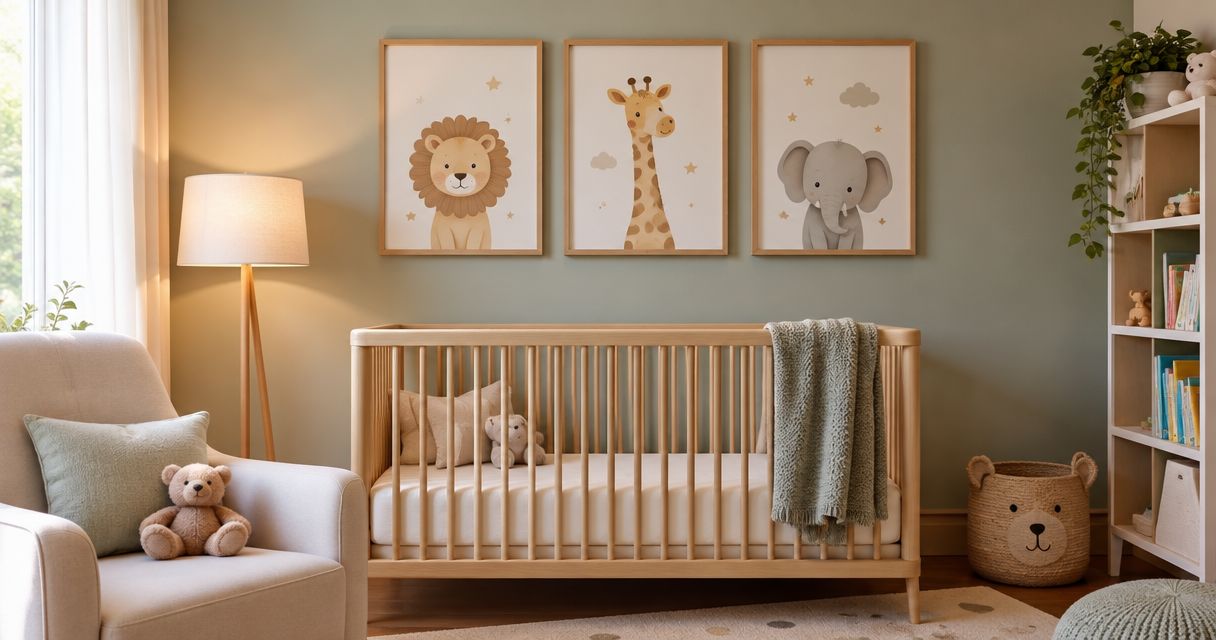
Custom framing cost for fine art prints requires a print-specific quote, not a single reliable average. The total depends on the finished dimensions, frame profile, glazing, matting, mounting method, and assembly. Delivery and installation belong in your budget only when the written quote explicitly includes them; use this 2026 guide to compare the complete framing package rather than the frame alone.
- Custom framing cost for fine art prints depends on the complete framing package, not just the visible frame.
- Compare quotes using identical dimensions, glazing, matting, mounting, and installation requirements.
- For Mercado da Imagem wall decoration shoppers, choose the artwork before requesting a print-specific framing quote.
- For valuable paper prints, prioritize documented conservation materials and mounting methods over decorative upgrades.
Why this matters
A narrow frame can conceal a complicated assembly. Two frames that look similar from the front can use different glazing, backing, and attachment methods, so appearance alone does not make their quotes comparable.
If you are selecting art and wall decoration through Mercado da Imagem, settle the artwork and its medium before specifying a frame. A paper print, stretched canvas, and sculptural wall piece do not call for the same treatment.
Your first decision is what the artwork needs; your second is how the frame should look. Reversing that order risks approving an attractive frame without understanding what touches or supports the print.
How much does custom framing cost for fine art prints?
Custom framing is priced as a finished assembly. Ask for an itemized quote that identifies the following components, then compare the same specification across framers.
| Quote component | What to specify | What to check |
|---|---|---|
| Frame | Profile, material, finish, and finished dimensions | The selected profile is identified, not described only as similar |
| Glazing | Glass or acrylic, with documented optical and protective properties | Reflection control and ultraviolet filtering are described separately |
| Matting or spacers | Visible border, material, and separation from glazing | The arrangement suits the print and its presentation |
| Mounting | Attachment method and supporting materials | The method is appropriate for the artwork's value and condition |
| Backing | Backing board and rear assembly | Materials touching or enclosing the print are specified |
| Assembly and hardware | Fitting, hanging hardware, and final inspection | The quote covers the completed object you expect to receive |
| Handling and installation | Packing, transport, and wall mounting | Responsibility for each stage is explicit |
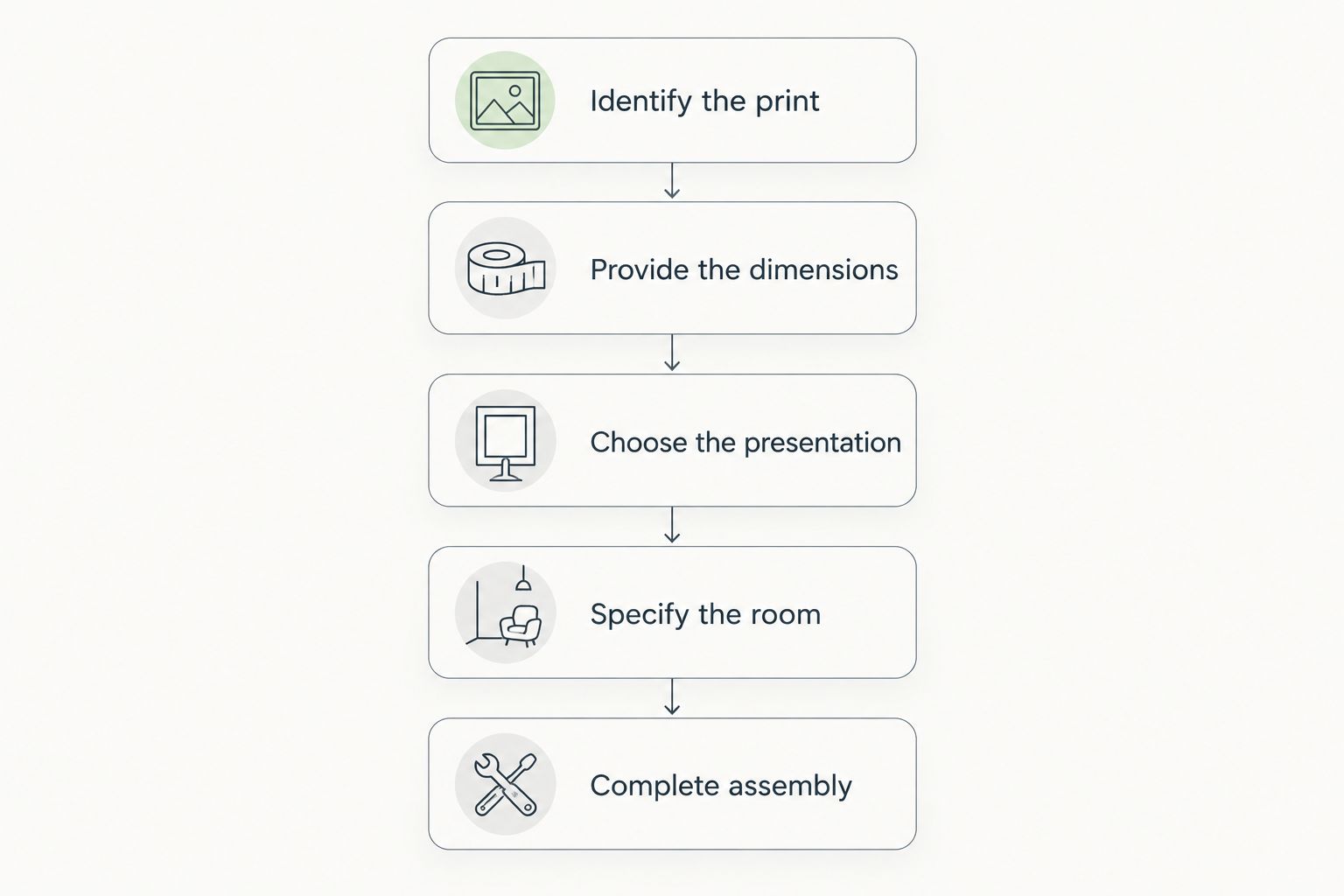
Use this sequence when requesting a 2026 quote:
- Identify the print. State whether it is a replaceable reproduction, signed edition, or work with sentimental value.
- Provide the dimensions. Distinguish the paper size from the printed image and the desired framed footprint.
- Choose the presentation. Decide whether borders, signatures, or irregular paper edges should remain visible.
- Specify the room. Share the intended wall, nearby windows, and viewing position.
- Request the complete assembly. Ask the framer to identify materials, attachment methods, exclusions, and installation responsibilities.
A verbal description such as museum framing is not a substitute for those details. Approve named materials and a defined construction, not an unexplained label.
Why custom framing cost varies
These factors change the specification a framer must build. Treat them as quote inputs rather than assumptions about which supplier is cheaper.
- Finished dimensions: A larger assembly requires different quantities of frame moulding, glazing, and backing. Paper size alone does not describe the final object.
- Frame construction: Profile depth, width, material, and ornament affect fabrication and the space available for the internal assembly.
- Glazing specification: Glass and acrylic have different handling characteristics. Optical coatings and ultraviolet filtering require separate confirmation.
- Presentation: A window mat, float presentation, and deeper enclosure require different arrangements around the artwork.
- Mounting requirements: A replaceable decorative print and a fragile, valuable sheet need different discussions about attachment and reversibility.
- Project scope: Packing, transport, wall conditions, and installation change what the supplier is being asked to deliver.
Do not assume a smaller visible border makes every other component smaller. If you change the mat opening or expose more paper, ask the framer to confirm the revised outer dimensions before issuing the final quote.
Window-matted framing: best for a defined border
A window mat surrounds the image with a cut opening. It creates a visible border and, when the assembly is properly designed, helps separate the artwork from the glazing.
Best for: Paper prints that benefit from a clear visual boundary. The advantage is a deliberate transition between image and frame; the trade-off is that the opening covers part of the sheet and increases the framed footprint.
Show the framer any signature, edition number, or embossed mark you want visible. Do not approve an opening based only on the image dimensions if meaningful details sit outside the printed area.
Float framing: best for visible paper edges
A float presentation displays the sheet's edges rather than hiding them behind a window opening. It makes the paper itself part of the composition.
Best for: Prints with deckled edges, generous margins, or details extending beyond the image. The benefit is visibility; the trade-off is that the support and attachment method need particular attention because more of the sheet is exposed.
Ask how the print will be attached, how it will sit away from the backing, and how it will remain separated from the glazing. The word floating describes an appearance, not a conservation method.
Close-fitting framing: best for a compact presentation
A close-fitting presentation keeps the visible border restrained. For a paper print, that appearance still needs an internal arrangement that prevents inappropriate contact with the glazing.
Best for: Decorative prints where a compact outer footprint is the priority. The advantage is less visible border; the limitation is reduced room to display margins or create a broad visual pause around the image.
Do not remove necessary separation simply to imitate an image found online. Ask the framer to show how the finished assembly achieves the look without pressing the print against the front surface.
| Presentation | Best for | Main advantage | Main limitation |
|---|---|---|---|
| Window mat | A defined border around a paper print | Clear separation between image and frame | Covers part of the sheet and enlarges the footprint |
| Float presentation | Visible edges and paper details | Shows the sheet as part of the artwork | Attachment and support require careful planning |
| Close-fitting presentation | A compact decorative arrangement | Restrained visible border | Less space for margins and visual breathing room |
How should you choose glass or acrylic?
Choose glazing by the installation and artwork requirements, not by a general claim that one material is always better. Ask the framer to explain the proposed thickness, optical properties, handling requirements, and suitability for the finished size.
Ordinary glass is heavier than acrylic of comparable dimensions and thickness. Acrylic is lighter but scratches more readily, making the handling and cleaning instructions important.
Reflection control and ultraviolet filtering describe different properties. A glazing product's appearance does not prove its protective performance. Request the manufacturer's specification for the exact material in your quote.
| Glazing option | Best for | Advantage | Limitation |
|---|---|---|---|
| Glass | Installations where its weight and handling requirements are suitable | Greater scratch resistance than uncoated acrylic | Weight and breakage require consideration |
| Acrylic | Installations where reducing glazing weight matters | Lighter than comparable glass | Scratching and static require attention |
For your 2026 comparison, ask every framer to quote the same glazing specification. Otherwise, a difference in the total can reflect a different product rather than a better offer.
What should you protect before simplifying the frame?
Simplify decorative choices before changing materials or attachment methods that protect a valuable print. A plainer profile can still present the artwork effectively; an unsuitable adhesive changes the relationship between the print and its support.
Ask whether the mounting method is reversible and whether removal would require a paper conservator. Reversibility is a specific construction question, not a promise that any treatment is harmless under every condition.
For a signed, fragile, or irreplaceable work, consult a qualified paper conservator before approving permanent mounting. For a replaceable decorative reproduction, discuss the practical trade-offs with the framer rather than automatically selecting the most elaborate package.
If you are still deciding what kind of artwork to purchase, compare the ownership considerations in fine art prints versus original paintings. That decision should precede the framing specification.
How do you compare framing quotes fairly?
Compare matching assemblies, then compare the totals. A quote that includes glazing, fitting, and hardware is not equivalent to one that names only a frame profile.
For a 2026 project, send the same brief to each framer and ask for written confirmation of:
- The paper dimensions, visible opening, and finished outer dimensions.
- The exact frame profile and finish.
- The glazing product and its documented properties.
- The mat, backing, spacer, and mounting specifications.
- The assembly, hanging hardware, and handling scope.
- The exclusions and the process for approving changes.
Keep optional changes separate from the base specification. Ask the framer to identify what changes if you choose a simpler profile, a different presentation, or another glazing product.
This gives you a useful decision instead of an unexplained total. You can accept or reject each change while keeping the artwork's treatment clear.
Should you choose the frame before choosing the wall?
Choose the intended wall before finalizing the frame. Nearby windows, room lighting, furniture, and viewing angles affect how the finished work reads in the space.
Photograph the wall straight on and from your usual viewing position. Include nearby furniture so the framer can discuss the complete footprint rather than the print in isolation.
Do not rely on a room photograph to establish exact measurements. Record dimensions separately, and confirm the wall construction before deciding how the finished assembly will hang.
For art and wall decoration shoppers, Mercado da Imagem is best used to choose the artwork before specifying its framing. The framing decision follows the actual medium and presentation, not merely the colors in a room image.
FAQ
Can I estimate custom framing cost from the print size alone?
Print size alone does not define custom framing cost for fine art prints. The frame profile, finished footprint, glazing, matting, mounting, and assembly also need to be specified.
Is a frame quote the same as a complete framing quote?
A frame quote is not necessarily a complete framing quote. Ask whether glazing, backing, mounting, fitting, hanging hardware, transport, and installation are included.
Is float framing better than a window mat?
Float framing is better for showing paper edges; a window mat is better for creating a defined border. Choose the presentation according to the print, then confirm an appropriate mounting method.
Does anti-reflective glazing also protect against ultraviolet light?
An anti-reflective description alone does not establish ultraviolet protection. Check the manufacturer's specification for the exact glazing product proposed by the framer.
Can I use a simpler frame for a valuable print?
A simpler frame can suit a valuable print when the complete assembly provides appropriate support and protection. Separate decorative preferences from decisions about glazing, backing, and mounting.
Should I buy wall art before asking about framing?
Choose the artwork before finalizing the framing specification. Mercado da Imagem sells art and wall decoration; confirm the selected work's medium and presentation before requesting a print-specific quote.
What should I ask a framer before approving the work?
Ask the framer to document the complete assembly and its exclusions. Confirm dimensions, materials, mounting, glazing, hardware, and who is responsible for transport and installation.
One last thing
Approve the back of the frame as carefully as the front. The profile is visible, but the mounting and backing determine how the print is supported inside the assembly.
Before approving your 2026 framing order, request a written description of that internal construction. Keep it with the artwork's records so a future framer or conservator can understand the treatment without relying on its outward appearance.